New Climate Report Warns of Accelerated Ice Melt
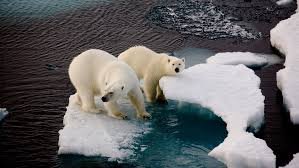
New Climate Report Warns of Accelerated Ice Melt
A new international climate report has issued a stark warning: ice sheets in Greenland and Antarctica are melting at a much faster rate than previously projected, threatening to significantly raise global sea levels by the end of the century. The findings, released by a coalition of climate scientists from leading research institutions, underscore the urgent need for action to mitigate climate change and adapt to its accelerating impacts.
According to the report, satellite data and field observations over the past decade reveal that ice loss from polar regions has increased by over 60% compared to the early 2000s. Greenland alone is shedding around 270 billion metric tons of ice annually, while Antarctica is losing approximately 150 billion metric tons. This rapid melting is driven primarily by rising global temperatures, which are causing surface melting, as well as warming oceans that erode ice from below.
One of the most alarming conclusions is the revised sea-level rise projections. If current trends continue, global sea levels could rise by more than one meter by 2100—twice the amount previously estimated under moderate emission scenarios. Such an increase would pose catastrophic risks for low-lying coastal cities, island nations, and ecosystems around the world, potentially displacing millions of people.
The report also highlights the growing instability of glaciers in West Antarctica, where warmer ocean currents are thinning ice shelves that act as natural barriers to inland ice flow. Should these ice shelves collapse, massive quantities of ice could flow unchecked into the sea, further accelerating sea-level rise.
Scientists warn that these changes may soon reach a tipping point beyond which ice loss becomes irreversible, even if global emissions are drastically reduced. This adds urgency to global climate negotiations, with experts urging governments to adopt more aggressive emissions reduction targets and invest in sustainable infrastructure to protect vulnerable regions.
The report concludes with a call for immediate global cooperation to limit warming to 1.5°C above pre-industrial levels, as outlined in the Paris Agreement. It also recommends expanded monitoring of polar regions, increased funding for climate adaptation, and a transition to renewable energy sources to slow the pace of environmental change.
As the world faces an uncertain climatic future, the findings serve as a powerful reminder of the interconnectedness of human activity and the planet’s most fragile ecosystems.